Expert Financial Advice: Master Your Personal Budgeting Skills
Expert Financial Advice: Master Your Personal Budgeting Skills
Embarking on a journey to financial stability and wealth creation starts with one fundamental skill: mastering personal budgeting. In today's dynamic economic landscape, expert financial advice emphasizes that a well-structured budget isn't just about tracking expenses; it's a powerful tool for achieving your most ambitious financial goals. This comprehensive guide will equip you with the knowledge and strategies to not only manage your money effectively but to truly understand and optimize your financial flow. By developing robust personal budgeting skills, you gain control, reduce stress, and pave the way for a secure future.
Key Points:
- Budgeting is empowerment: Gain control over your money, not the other way around.
- Goal-oriented approach: Align spending with your long-term financial aspirations.
- Multiple budgeting methods: Discover the best fit for your lifestyle.
- Leverage technology: Utilize apps and tools for seamless tracking.
- Regular review is crucial: Adapt your budget as life changes.
Understanding the Core Principles of Effective Personal Budgeting
At its heart, personal budgeting is about allocating your income to cover expenses, savings, and debt repayment. It's a proactive approach to managing your finances, ensuring that every dollar has a purpose. Without a clear budget, money can often slip away unnoticed, leading to missed opportunities for saving and investing. Expert financial advice consistently highlights that a budget acts as your financial roadmap, guiding you toward your desired destination.
The first step in mastering your personal budgeting skills is to gain a clear picture of your current financial situation. This involves understanding your total income from all sources and meticulously tracking all your expenditures. Many people are surprised to discover where their money actually goes once they start this process. This initial phase is less about judgment and more about awareness, laying the groundwork for informed financial decisions.
Setting Clear Financial Goals with Your Budget
A budget is most effective when it's tied to specific financial goals. Whether you're saving for a down payment on a house, planning for retirement, or aiming to pay off student loans, your budget should reflect these aspirations. This goal-oriented approach transforms budgeting from a chore into a powerful motivator. For instance, if your goal is to save $10,000 for a vacation in two years, your budget will clearly show how much you need to save each month to reach that target.
Practical Steps for Goal Setting:
- Define short-term goals: (e.g., emergency fund, new gadget) – achievable within 1 year.
- Outline medium-term goals: (e.g., car purchase, debt reduction) – achievable within 1-5 years.
- Envision long-term goals: (e.g., retirement, child's education) – 5+ years out.
- Prioritize your goals: Not all goals can be pursued simultaneously at full speed. Decide which are most important.
Exploring Popular Personal Budgeting Methods
There isn't a one-size-fits-all approach to budgeting. The best method is one you can consistently stick with. Here are a few widely recommended strategies to help you master your personal budgeting skills:
The 50/30/20 Rule
This simple yet effective method suggests allocating your after-tax income as follows:
- 50% to Needs: Housing, utilities, groceries, transportation, insurance, minimum loan payments.
- 30% to Wants: Dining out, entertainment, hobbies, vacations, shopping, subscriptions.
- 20% to Savings & Debt Repayment: Emergency fund, retirement contributions, extra debt payments. This rule provides a flexible framework, making it a great starting point for those new to budgeting.
Zero-Based Budgeting
With zero-based budgeting, every dollar of your income is assigned a specific job. Income minus expenses, savings, and debt repayment should equal zero. This method requires more detailed planning but offers maximum control over your money. It's particularly effective for those who want to be very intentional with their spending and savings.
The Envelope System
A classic method, the envelope system involves allocating cash into physical envelopes for different spending categories (e.g., groceries, entertainment). Once the cash in an envelope is gone, you stop spending in that category until the next pay period. This tangible approach can be highly effective for curbing overspending, especially in variable categories.
Leveraging Technology for Enhanced Budgeting
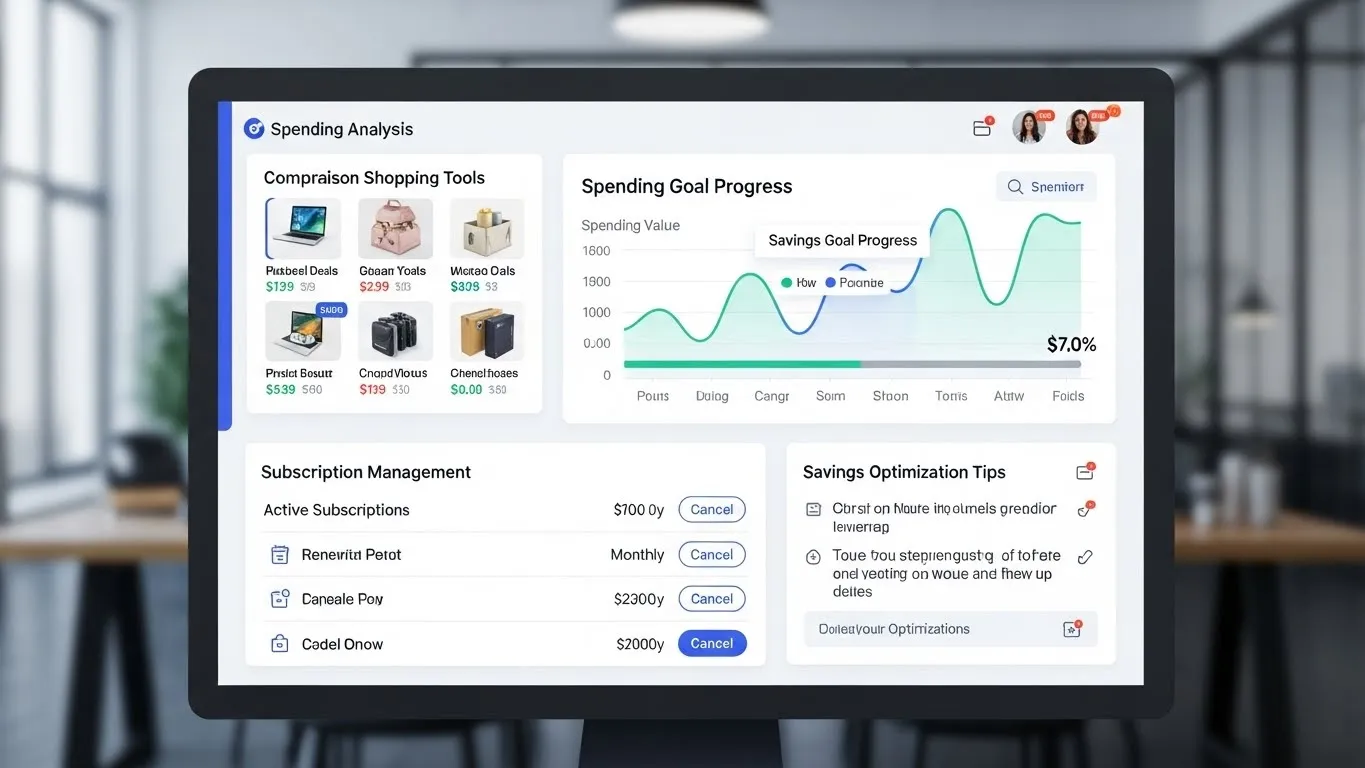
In the digital age, mastering your personal budgeting skills is significantly easier with the right tools. Numerous apps and software solutions can automate tracking, categorize transactions, and provide visual insights into your spending habits.
Recommended Tools:
- Budgeting Apps: Apps like Mint, YNAB (You Need A Budget), and Personal Capital offer robust features for tracking, goal setting, and financial planning. They often link directly to your bank accounts for real-time updates.
- Spreadsheets: For those who prefer a hands-on approach, a custom spreadsheet (Google Sheets or Excel) can be incredibly powerful. You can tailor it precisely to your needs and track specific metrics important to you.
- Bank Features: Many banks now offer built-in budgeting tools within their online banking platforms, allowing you to categorize transactions and set spending limits directly.
According to a 2024 report by the Financial Planning Association, 85% of individuals who consistently use budgeting software report feeling more confident about their financial future. This data underscores the impact of technology on financial empowerment.
Differentiated Insights: Beyond Basic Budgeting
While the core principles remain, modern expert financial advice offers nuanced strategies to truly master your personal budgeting skills.
The "Reverse Budgeting" Approach
Instead of meticulously tracking every single expense, reverse budgeting prioritizes savings first. You decide on your savings goal, automate transfers to your savings or investment accounts immediately after getting paid, and then spend what's left. This method is gaining traction for its simplicity and effectiveness in ensuring savings goals are met without the daily grind of expense tracking. It shifts the focus from restriction to automatic wealth building.
Integrating "Lifestyle Inflation" Prevention
As income grows, so too often does spending – a phenomenon known as lifestyle inflation. A key differentiated insight is to proactively budget for preventing lifestyle inflation. When you get a raise, instead of letting all the extra income flow into discretionary spending, budget to allocate a significant portion (e.g., 50-70%) of that raise directly to savings, investments, or accelerated debt repayment. This ensures your wealth grows faster than your expenses. A study published in the Journal of Personal Finance in late 2023 highlighted that individuals who actively budget for lifestyle inflation prevention accumulate 1.5x more wealth over a decade compared to those who don't.
Regular Review and Adaptation: The Key to Long-Term Success
A budget is not a static document; it's a living tool that needs regular attention. Life changes – income fluctuates, expenses shift, and goals evolve. Therefore, mastering your personal budgeting skills includes the discipline of reviewing and adjusting your budget regularly.
When to Review Your Budget:
- Monthly: A quick check-in to see if you're on track and make minor adjustments.
- Quarterly: A more thorough review to assess progress towards goals and make larger adjustments.
- Annually: A comprehensive overhaul to account for significant life changes, new goals, or economic shifts.
This iterative process ensures your budget remains relevant and effective. For more detailed guidance on adapting your financial plan, readers can explore related articles on long-term financial planning.
FAQ Section: Common Budgeting Questions
Q: How long does it take to see results from budgeting?
A: While immediate awareness of your spending habits can be felt within the first month, significant financial results, such as reaching savings goals or reducing debt, typically become noticeable within 3-6 months of consistent budgeting. The key is perseverance and regular adjustments.
Q: What if I consistently go over budget in certain categories?
A: If you frequently exceed your budget in a specific category, it's a sign that your initial allocation might be unrealistic. Don't view it as a failure. Instead, analyze your spending in that area, identify potential areas for reduction, or adjust your budget to reflect a more realistic spending pattern. The goal is accuracy, not deprivation.
Q: Is it okay to have a "miscellaneous" category in my budget?
A: Yes, a small "miscellaneous" or "buffer" category can be very useful for unexpected small expenses that don't fit neatly into other categories. However, it should be a modest amount. If it becomes a large catch-all for significant spending, it defeats the purpose of detailed budgeting. Aim for clarity in your main categories first.
Q: How can I stay motivated to stick to my budget long-term?
A: Staying motivated involves regularly reminding yourself of your financial goals and celebrating small victories. Visualize the impact of your budgeting efforts, whether it's a growing savings account or decreasing debt. Consider finding an accountability partner or joining an online community for support and shared experiences.
Conclusion: Your Path to Financial Mastery
Mastering your personal budgeting skills is an indispensable step towards achieving financial freedom and peace of mind. By embracing expert financial advice, understanding your income and expenses, setting clear goals, and utilizing effective tools, you transform your relationship with money. Remember, budgeting is a journey, not a destination. It requires continuous learning, adaptation, and commitment.
Take the first step today: analyze your current spending, choose a budgeting method that resonates with you, and start building the financial future you envision. Your efforts in mastering personal budgeting skills will pay dividends for years to come. We encourage you to share your budgeting tips and experiences in the comments below, or subscribe to our newsletter for ongoing expert financial advice and updates. For further reading, explore our resources on investment strategies for beginners and advanced debt management techniques.
Future Subtopics for Expansion:
- Budgeting for irregular income streams.
- The psychological aspects of money management and budgeting.
- Advanced strategies for integrating investing into your budget.