Practical Financial Tools: Your Guide to Smart Money Management
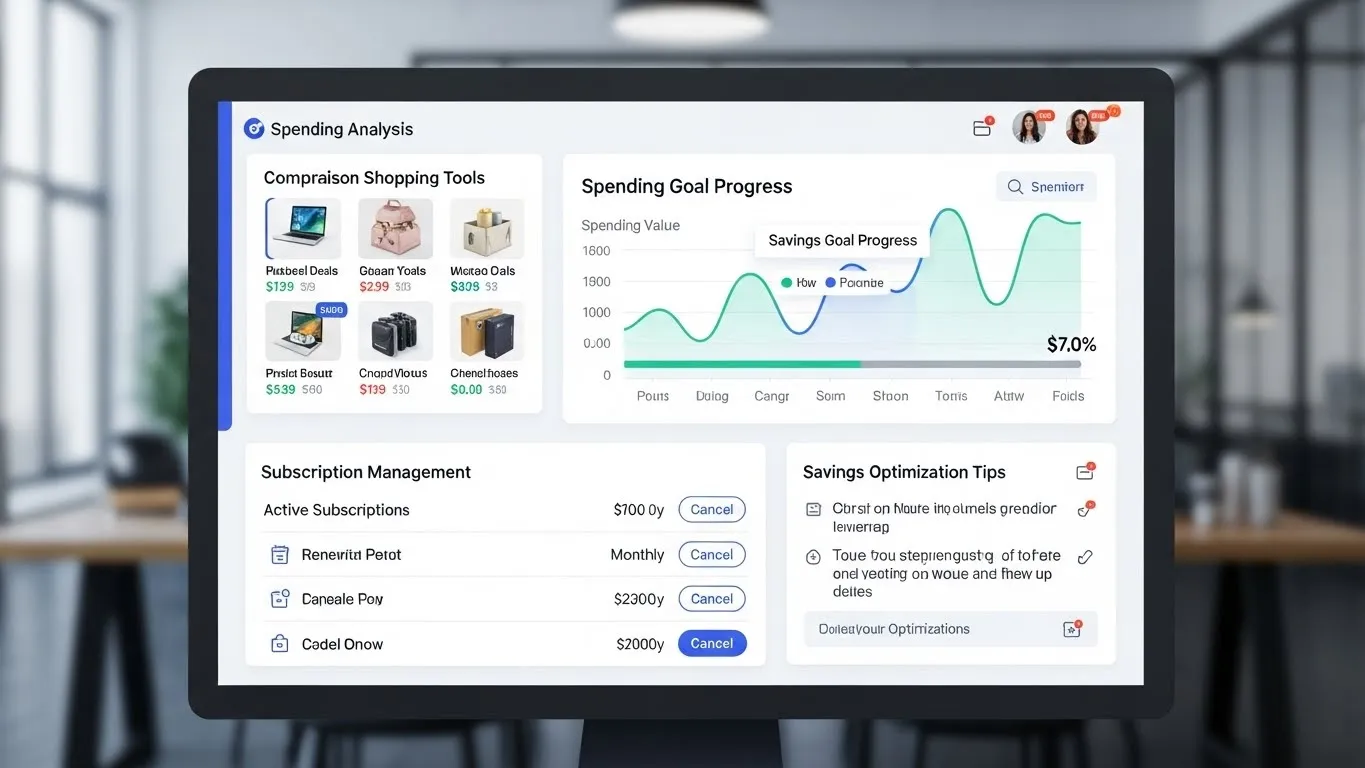
Navigating the complexities of personal finance can feel overwhelming, but with the right practical financial tools, smart money management becomes not just achievable, but surprisingly straightforward. This guide will empower you to take control of your financial future, transforming daunting tasks into manageable steps. From tracking daily expenses to planning for long-term investments, these tools provide clarity, automation, and the insights needed to make informed decisions. Embrace the power of technology to optimize your income, reduce debt, and build lasting wealth, ensuring your financial health is robust and resilient.
Key Points:
- Budgeting & Tracking: Automate expense monitoring and create realistic budgets.
- Debt & Savings: Accelerate debt repayment and grow savings effortlessly.
- Investing & Planning: Simplify investment decisions and plan for retirement.
- Holistic View: Integrate tools for a comprehensive financial overview.
- Behavioral Impact: Tools foster discipline and smarter financial habits.
Understanding the Landscape of Practical Financial Tools
In today's fast-paced world, managing your money effectively is more crucial than ever. Practical financial tools are no longer just for finance professionals; they are essential resources for anyone seeking to optimize their personal finances. These digital aids range from simple expense trackers to sophisticated investment platforms, all designed to simplify the often-complex world of money management. They provide immediate insights, automate routine tasks, and help you visualize your financial progress, making it easier to stay on track with your goals.
The evolution of financial technology (FinTech) has democratized access to powerful financial management capabilities. What once required extensive manual effort or professional consultation can now be handled with a few taps on a smartphone or clicks on a computer. This accessibility means that smart money management is within everyone's reach, regardless of their financial literacy level. By leveraging these tools, individuals can gain a clearer picture of their income, spending, and savings, paving the way for better financial decisions and a more secure future.
Essential Practical Financial Tools for Budgeting and Expense Tracking
Effective budgeting and meticulous expense tracking form the bedrock of smart money management. Without knowing where your money goes, it's nearly impossible to make meaningful financial progress. Fortunately, a plethora of practical financial tools are available to simplify this process, making it less of a chore and more of an insightful journey. These tools help you categorize spending, identify areas for reduction, and allocate funds towards your financial goals.
Leading budgeting apps, such as those that link directly to your bank accounts, automatically categorize transactions, providing a real-time snapshot of your financial health. This automation significantly reduces the time and effort traditionally associated with manual budgeting. For those who prefer a more hands-on approach, customizable spreadsheet templates (like those found in Google Sheets or Microsoft Excel) offer unparalleled flexibility to tailor a budget exactly to your needs. A 2024 report by the Global Financial Literacy Institute indicated that individuals using budgeting software reported a 15% increase in savings rates compared to those who didn't, highlighting the tangible benefits of these tools. These resources not only track numbers but also foster mindful spending habits, encouraging users to think twice before making purchases.
Leveraging Tools for Debt Management and Savings Growth
Beyond budgeting, practical financial tools play a pivotal role in tackling debt and accelerating savings. Many individuals struggle with consumer debt, but specialized tools can provide a clear roadmap to becoming debt-free. These applications often incorporate strategies like the debt snowball or debt avalanche methods, visualizing your progress and motivating you to stay committed. By prioritizing which debts to pay off first, these tools can significantly shorten your repayment timeline and save you money on interest.
Simultaneously, growing your savings requires discipline and strategic planning. Automated savings tools, often integrated with high-yield savings accounts, make saving effortless. You can set up recurring transfers, round-up spare change from purchases, or even implement "set-it-and-forget-it" rules that automatically move money into your savings whenever certain conditions are met. Financial expert Dr. Anya Sharma, in her 2023 book "The Automated Wallet," emphasizes that the true power of financial tools lies in their ability to automate good habits, freeing up mental bandwidth for other life goals. This automation ensures your savings grow consistently, moving you closer to your financial milestones without constant manual intervention.
Smart Money Management with Investment and Retirement Planning Tools
For those looking to grow their wealth over the long term, practical financial tools for investment and retirement planning are indispensable. Gone are the days when investing was solely the domain of stockbrokers; modern tools have democratized access to sophisticated investment strategies. Robo-advisors, for instance, use algorithms to build and manage diversified portfolios tailored to your risk tolerance and financial goals, often at a fraction of the cost of traditional financial advisors.
These platforms not only simplify the investment process but also provide educational resources and performance tracking, helping you understand where your money is invested and how it's performing. Retirement calculators and planners allow you to project your future financial needs, helping you determine how much you need to save and invest to achieve a comfortable retirement. Recent data from FinTech Insights Magazine (Q4 2025) highlights a 30% surge in adoption of AI-powered financial planning tools, especially among younger demographics seeking personalized advice. This trend underscores the growing reliance on technology for personalized investment guidance and long-term wealth building. For readers interested in optimizing their income streams, exploring articles on effective side hustles can provide valuable insights.
Integrating Practical Financial Tools for Holistic Financial Health
The true power of practical financial tools emerges when they are integrated to provide a holistic view of your financial health. Instead of using disparate apps for budgeting, investing, and debt management, many modern platforms offer comprehensive dashboards that consolidate all your financial accounts. This unified perspective allows you to see your net worth, cash flow, and investment performance in one place, making smart money management truly seamless.
This integration is more than just convenience; it fosters a deeper understanding of how different aspects of your finances interact. For example, seeing how reducing discretionary spending directly impacts your investment contributions can be a powerful motivator. Moreover, these integrated systems often provide predictive analytics, helping you anticipate future financial scenarios and plan accordingly. This comprehensive approach helps in building lasting financial habits, moving beyond just tracking numbers to actively shaping your financial future. Further details on improving your credit score can be found in our comprehensive guides on credit management.
Choosing the Right Practical Financial Tools for Your Needs
With such a vast array of practical financial tools available, selecting the right ones can seem daunting. The key is to identify tools that align with your specific financial goals, comfort level with technology, and budget. Consider factors such as user-friendliness, security features, integration capabilities with your existing bank accounts, and customer support. Many tools offer free basic versions, allowing you to test their functionality before committing to a paid subscription.
Start by assessing your primary financial needs: Are you focused on aggressive debt repayment, building an emergency fund, or maximizing investment returns? Different tools excel in different areas. Prioritize those that offer the most value for your immediate goals while also providing room to grow as your financial journey evolves. Remember, the best tool is the one you will consistently use. A simple spreadsheet effectively used is far better than a sophisticated app that gathers digital dust. To delve deeper into advanced investment strategies, consider reviewing our resources on long-term wealth building.
FAQ Section
What are the best practical financial tools for beginners?
For beginners, tools like Mint, YNAB (You Need